

The Physiotherapy Advantage in Scoliosis Treatment
Schroth Method for Scoliosis is a non-invasive, three-dimensional physical therapy approach tailored to each patient’s unique spinal curvature. It employs individualized exercises to elongate, stabilize, and correct the rotation of the spine. This method is effective across all age groups and can be used alone or alongside other treatments like bracing or surgery.
Physiotherapy services offer significant advantages over surgical interventions, including zero surgical risks, preservation of spinal mobility, cost-effectiveness, and the ability to address the condition’s underlying biomechanical causes. The Schroth Method represents the pinnacle of scoliosis physiotherapy, providing patients with evidence-based treatment that addresses the condition’s three-dimensional nature through specialized exercise protocols and breathing techniques.
The Revolutionary Schroth Method in Modern Physiotherapy
Developed by Katharina Schroth in the 1920s and refined over decades, the Schroth Method has become the gold standard in scoliosis physiotherapy. This innovative approach recognizes that scoliosis is not merely a two-dimensional spinal curve but a complex three-dimensional deformity requiring specialized intervention.
The Schroth Method for Scoliosis is grounded in a comprehensive understanding of how scoliosis impacts the entire trunk, leading to asymmetrical muscle patterns, rib cage deformities, and compromised respiratory function. This method emphasizes addressing these root causes rather than merely alleviating symptoms. By focusing on restoring muscular symmetry, enhancing postural alignment, and improving breathing capacity, the Schroth Method offers a holistic approach to managing scoliosis. Incorporating these principles, physiotherapy becomes a powerful tool in not only treating back pain but also in correcting the underlying structural imbalances associated with scoliosis
Core Components of Schroth Method Physiotherapy
Postural Re-education and Awareness Training
The Schroth Method begins with comprehensive postural assessment and re-education. Patients learn to identify their postural asymmetries and develop conscious control over their spinal alignment. This awareness training forms the foundation for all subsequent interventions.
Specialized Breathing Techniques
Rotational Angular Breathing (RAB) represents the cornerstone of Schroth Method for Scoliosis physiotherapy. This technique teaches patients to direct their breath selectively to expand collapsed areas of the rib cage while avoiding over-expansion of prominent regions. This breathing pattern promotes spinal derotation and improves overall respiratory function.
Three-Dimensional Exercise Progression
The Schroth Method for Scoliosis employs a systematic progression of exercises that challenge patients to maintain proper spinal alignment while performing increasingly complex movements. These exercises integrate postural correction, breathing techniques, and strengthening activities to create comprehensive spinal rehabilitation.
Clinical Benefits of Schroth Method For Scoliosis
Spinal Curve Stabilization and Correction
Research consistently demonstrates that Schroth Method physiotherapy can effectively halt curve progression and, in many cases, achieve meaningful curve correction. Studies show average improvements of 5-15 degrees in spinal curvature, with some patients achieving even greater corrections.
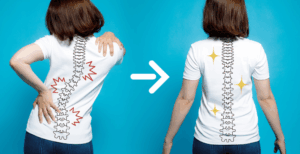
Schroth Method for Scoliosis offers a non-invasive approach to back pain management in scoliosis patients by addressing the biomechanical factors contributing to pain. Through customized exercises that improve spinal alignment and muscle balance, patients often experience significant pain reduction without the need for medication or surgical intervention. This method focuses on elongating, stabilizing, and de-rotating the spine in a three-dimensional plane, aiming to halt curve progression and enhance overall function.
Enhanced Respiratory Function
The breathing-focused approach of the Schroth Method leads to measurable improvements in lung capacity and respiratory efficiency. Patients typically experience 10-30% increases in forced vital capacity, translating to improved exercise tolerance and overall health. Joint pain physiotherapy incorporating Schroth principles often resolves secondary joint problems by addressing the primary spinal dysfunction. When spinal alignment improves, compensatory stress on other joints decreases, leading to comprehensive musculoskeletal improvement.
Improved Functional Capacity
Beyond measurable changes in spinal curvature and respiratory function, patients experience significant improvements in their ability to perform daily activities. The method’s focus on functional integration ensures that clinical improvements translate to real-world benefits.
Age-Specific Applications of Schroth Method Physiotherapy

| Age Group | Application | Key Benefits |
|---|---|---|
| Children & Adolescents | Early intervention leverages spinal flexibility and growth potential to prevent curve progression. |
|
| Adults | Focuses on pain reduction, functional improvement, and quality of life enhancement. |
|
| Seniors | Adapted to address challenges like osteoporosis and arthritis, aiming to maintain independence. |
|
Home-Based Implementation and Long-Term Success
Developing Independent Exercise Programs
Success with Schroth Method for Scoliosis physiotherapy requires patients to develop the knowledge and skills necessary to maintain their exercise programs independently. This emphasis on patient education and self-management leads to superior long-term outcomes.
Lifestyle Integration and Modification
Beyond specific exercises, the Schroth Method promotes awareness of daily activities and postures that may contribute to spinal dysfunction. Patients learn to modify their work environments, sleeping positions, and recreational activities to support their spinal health.
Affordable physiotherapy clinic options often include group Schroth classes and educational programs that help patients develop the skills necessary for long-term self-management of their condition.
Evidence-Based Outcomes and Research Support
Clinical Research Validation
Extensive research supports the effectiveness of physiotherapy for Schroth Method for scoliosis treatment. Multiple randomized controlled trials have demonstrated significant improvements in spinal curvature, respiratory function, and quality of life measures.
Long-Term Follow-Up Studies
Long-term studies demonstrate that patients who complete Schroth Method physiotherapy programs maintain their improvements over time when they continue their exercise programs. This sustainability makes physiotherapy a superior long-term investment compared to other treatment options. Home physiotherapy for knee replacement patients with concurrent scoliosis shows how the method can be adapted to address multiple conditions simultaneously, maximizing treatment efficiency and patient outcomes.
The Schroth Method for scoliosis is a non-invasive, personalized physiotherapy approach that addresses spinal curvature through three-dimensional exercises and breathing techniques. It is adaptable across various age groups and medical conditions, offering a holistic alternative to surgical interventions.
Multidisciplinary & Specialized Care
Modern scoliosis management often employs a multidisciplinary approach, integrating respiratory therapy, occupational therapy, and psychological support to address the multifaceted impacts of scoliosis. The Schroth Method complements treatments for related conditions such as knee pain and cervical issues, which may arise due to compensatory musculoskeletal adaptations.
Tailored modifications of the Schroth Method for Scoliosis are available for specialized populations, including pregnant individuals, post-surgical patients, and those with concurrent medical conditions like osteoporosis or arthritis. This ensures that therapy is both safe and effective across diverse patient needs.
Advantages of Schroth-Based Physiotherapy
-
Non-Invasive & Safe: The Schroth Method for Scoliosis avoids surgical risks, making it a preferred first-line treatment for many scoliosis cases.
-
Cost-Effective: Compared to surgical options, it offers significant cost savings by eliminating hospital stays and reducing recovery times.
-
Comprehensive Care: Beyond addressing spinal curvature, the method improves posture, enhances breathing capacity, and alleviates associated musculoskeletal discomfort.
By focusing on individualized care plans, the Schroth Method for Scolioisis empowers patients to actively participate in their treatment, leading to improved outcomes and quality of life.
Joint Efforts Physiotherapy Clinic: Your Trusted Partner in Scoliosis Care
With over 15 years of dedicated experience in physiotherapy services, Joint Efforts Physiotherapy Clinic has established itself as a leading provider of specialized scoliosis treatment. Our team of certified physiotherapists possesses extensive training in the Schroth Method for Scoliosis and advanced scoliosis management techniques, ensuring that every patient receives expert care tailored to their specific needs.
Understanding that convenience and comfort are crucial for consistent treatment, we also provide physiotherapy home visit services, bringing our expertise directly to your doorstep. Our at-home physiotherapy services ensure that distance or mobility limitations never become barriers to receiving quality scoliosis treatment.
Conclusion
Schroth Method for Scoliosis physiotherapy represents the most advanced, evidence-based approach to scoliosis treatment available today. Its three-dimensional correction principles and comprehensive care integration make it the optimal choice for effective, non-invasive scoliosis management.
At Joint Efforts Physiotherapy Clinic, our specialized scoliosis physiotherapy program incorporates the latest Schroth Method for Scoliosis and other techniques alongside our comprehensive range of services including knee pain physiotherapy, physiotherapy for cervical pain, sciatica treatment physiotherapy, frozen shoulder physiotherapy, and postnatal physiotherapy at home. Our commitment to excellence ensures every patient receives the specialized care they deserve for optimal spinal health and improved quality of life.
FAQs
1. What is the Schroth Method for scoliosis?
The Schroth Method is a non-invasive, three-dimensional physiotherapy approach designed for each patient’s unique spinal curvature. It uses individualized exercises to elongate, stabilize, and correct the rotation of the spine, and can be used alone or alongside other treatments like bracing or surgery. At Joint Efforts Physiotherapy Clinic, this method is offered as part of their specialized scoliosis physiotherapy program.
2. How is the Schroth Method different from regular scoliosis treatment?
Unlike approaches that treat scoliosis as a simple two-dimensional curve, the Schroth Method treats it as a complex three-dimensional deformity. It addresses root causes — like asymmetrical muscle patterns, rib cage deformities, and breathing problems — rather than just easing symptoms, giving a more complete, long-term approach to spinal health.
3. What does Schroth Method treatment actually involve?
Treatment includes postural re-education and awareness training, specialized breathing techniques (called Rotational Angular Breathing), and a three-dimensional exercise progression. Patients learn to recognize their postural imbalances and gradually build strength and alignment through increasingly complex movements.
4. Does the Schroth Method really help correct spinal curves?
Yes. Research shows the method can halt curve progression and, in many cases, achieve real correction — with studies showing average improvements of 5–15 degrees in spinal curvature. It also helps reduce back pain, improve breathing capacity (10–30% increase in lung function), and boost daily functional ability.
5. Is the Schroth Method suitable for all age groups?
Yes, it’s adapted for children, adults, and seniors. In children and adolescents, it focuses on preventing curve progression during growth. In adults, it targets pain reduction and better function. In seniors, it helps manage related issues like osteoporosis and arthritis while maintaining mobility and reducing fall risk.
6. Can Schroth Method physiotherapy be done at home?
Yes. Long-term success with this method depends on patients learning to manage their exercises independently. Joint Efforts supports this through at-home physiotherapy services, so patients get expert guidance right at their doorstep — especially useful for those with mobility or distance challenges.
7. Why choose Joint Efforts for scoliosis treatment?
Joint Efforts Physiotherapy Clinic has over 15 years of experience in physiotherapy, with a team of certified physiotherapists trained specifically in the Schroth Method and advanced scoliosis management techniques. Along with scoliosis care, the clinic also offers related services like knee pain physiotherapy, cervical pain treatment, sciatica treatment, frozen shoulder physiotherapy, and postnatal physiotherapy — all designed around each patient’s specific needs.