

What is Guillain-Barré Syndrome?
Guillain-Barré Syndrome stands as a rare yet serious neurological disorder where the body’s immune system mistakenly attacks the peripheral nervous system. This autoimmune condition disrupts nerve signals that control muscle movement and sensory functions, resulting in progressive muscle weakness and potential temporary paralysis.
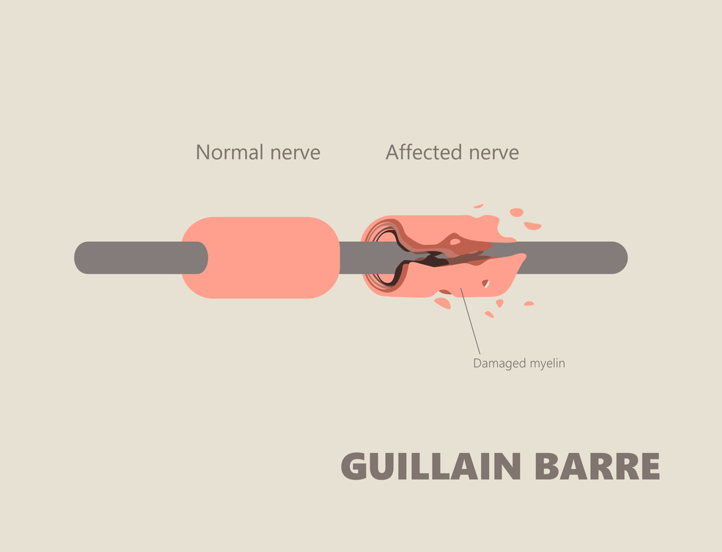
Guillain-Barré Syndrome progresses rapidly, typically developing over several days to weeks. The condition usually begins with tingling sensations in the extremities before advancing to substantial weakness throughout the legs and arms. Most individuals reach peak symptom severity within two to four weeks, after which a gradual recovery process begins that may extend for months or even years.
Identifying Guillain-Barré Syndrome Signs and Symptoms
Early detection of Guillain-Barré Syndrome symptoms is vital for timely medical treatment. The disorder characteristically starts with weakness and tingling sensations in the lower extremities, then spreads upward throughout the body.
Common symptoms include:
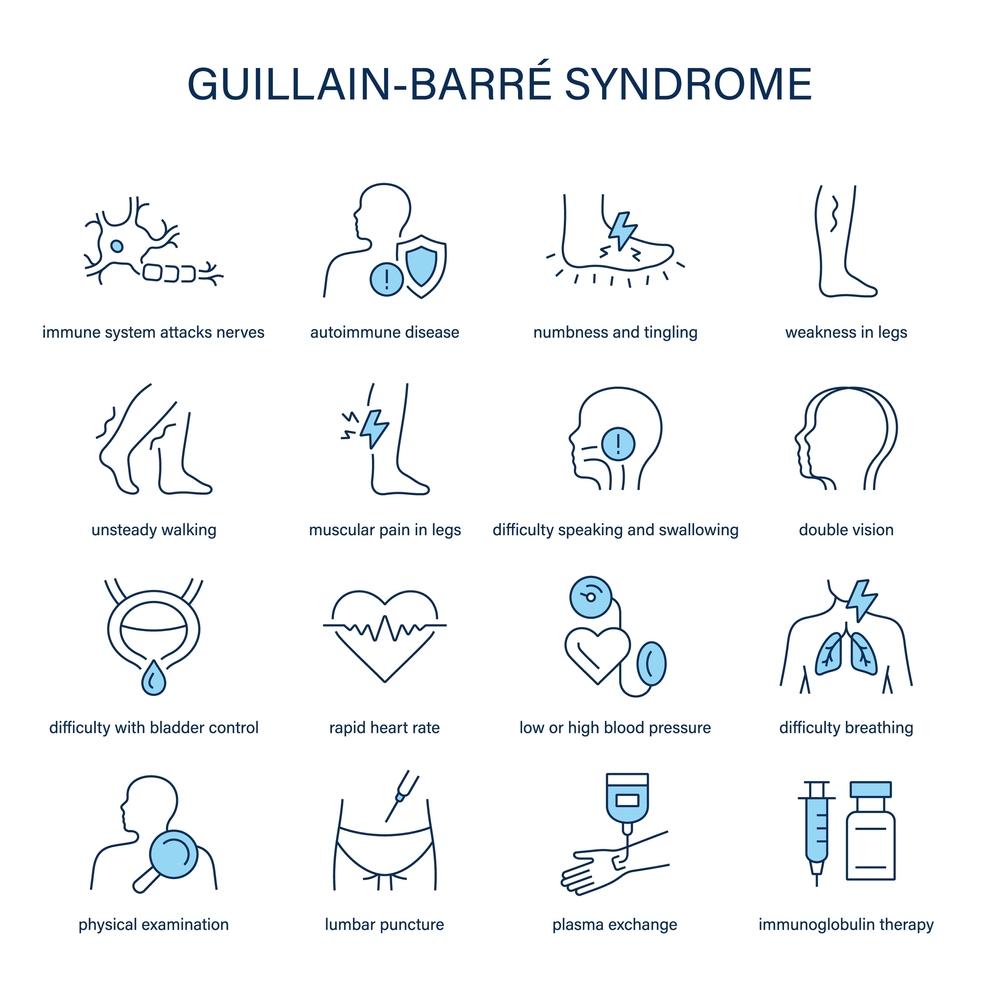
- Muscle weakness that progressively worsens
- Numbness and tingling starting in the fingers and toes
- Severe pain intensifying at night
- Balance and coordination problems
- Breathing difficulties in severe cases
- Speech and swallowing issues
Secondary symptoms may encompass cardiovascular irregularities, blood pressure variations, and bladder control challenges.
The progression of Guillain-Barré Syndrome symptoms differs among patients. While some individuals experience minor weakness that resolves relatively quickly, others encounter severe complications requiring intensive medical care and prolonged rehabilitation with a qualified physiotherapist.
Diagnosing Guillain-Barré Syndrome
Guillain-Barré Syndrome diagnosis demands a thorough medical assessment since symptoms can resemble other neurological disorders. Medical professionals employ multiple diagnostic approaches:
- Nerve conduction studies to evaluate electrical nerve activity
- Lumbar puncture for cerebrospinal fluid analysis
- Blood examinations to exclude alternative conditions
- Electromyography (EMG) to evaluate muscle responses
Treatment Approaches for Guillain-Barré Syndrome
Guillain-Barré Syndrome treatment concentrates on minimizing immune system attacks while managing symptoms throughout the recovery process. Primary therapeutic interventions include immunoglobulin therapy or plasma exchange procedures to decrease nerve inflammation.
Supportive care involves:
- Pain management with medications
- Respiratory support when breathing is affected
- Physical monitoring of heart rate and blood pressure
- Early mobilization to prevent complications
Why Physiotherapy Represents the Solution for Guillain-Barré Syndrome
Physiotherapy emerges as the foundation of Guillain-Barré Syndrome rehabilitation because it directly targets the condition’s core challenges: muscle weakness, mobility limitations, and functional deterioration. While medications only address symptom management, physiotherapy actively reconstructs strength and restores patient independence.
Selecting the Appropriate Physiotherapist for Guillain-Barré Syndrome Recovery
Guillain-Barré Syndrome recovery demands specialized professional expertise. The optimal physiotherapist should possess:
- Extensive neurological rehabilitation experience with an understanding of nerve recovery mechanisms
- Comprehensive knowledge of progressive exercise protocols for gradual strength development
- Proficiency in respiratory physiotherapy for breathing-related complications
- Advanced skills in balance and gait training for mobility restoration
The Essential Role of Physiotherapy in Guillain-Barré Syndrome Rehabilitation
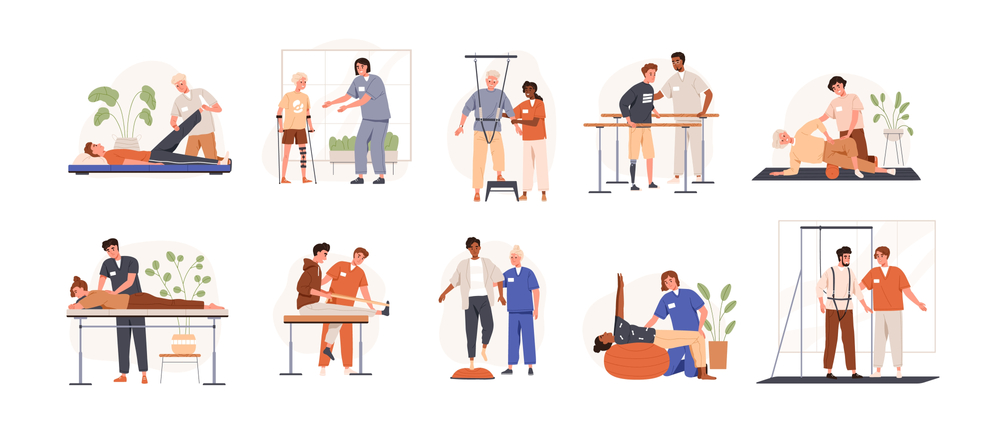
Physiotherapy serves as a cornerstone in GBS rehabilitation, enabling individuals to restore their physical abilities, movement capacity, and self-reliance. A skilled physiotherapist creates individualized treatment plans addressing each patient’s specific needs.
During the acute phase, physiotherapy focuses on:
- Maintaining joint mobility
- Preventing muscle contractures
- Supporting respiratory function
- Gentle range-of-motion exercises
When individuals move forward in their healing journey, physiotherapy transitions to become more intensive and focused on specific outcomes:
- Strengthening exercises to rebuild muscle power
- Balance training for stability and fall prevention
- Gait training to restore normal walking
- Functional exercises simulating daily activities
Many GBS patients require back pain treatment as compensatory movement patterns develop during recovery. Weakness in certain muscles can cause postural changes and secondary pain requiring targeted intervention.
Benefits of Home-Based Physiotherapy for GBS Patients
Physiotherapy home visit services offer significant advantages for GBS recovery. The familiar home environment reduces stress while allowing personalized, comfortable treatment sessions.
Key benefits include:
- Reduced travel stress for mobility-limited patients
- Practice in the actual living environment
- Safety assessments and home modifications
- Continuity of care during critical recovery
At-home physiotherapy services are particularly valuable for patients with mobility limitations or severe fatigue. A physiotherapist for a home visit can assess home safety, identify hazards, and recommend modifications supporting recovery.
Specialized Care Considerations
Some patient groups benefit from tailored treatment methods when recovering from GBS:
- Female physiotherapist for home visit services for cultural or personal comfort
- Physiotherapy for the elderly at home, addressing age-related challenges and slower recovery
- Post-surgery physiotherapy at home for patients requiring surgical interventions
- Home physiotherapy for stroke patients: techniques adapted for GBS recovery
- Home physiotherapy for knee replacement protocols when surgical procedures are needed
Joint pain physiotherapy is often necessary as GBS affects multiple joints and muscle groups. Physiotherapy for seniors at home considers increased fall risk and complex medical needs.
Finding Quality, Accessible Care
When seeking physiotherapy for GBS recovery, finding an affordable physiotherapy clinic offering comprehensive care without compromising quality is essential. The best physiotherapy for back pain and GBS-related complications comes from experienced practitioners who understand neurological rehabilitation complexities.
Conclusion
Guillain-Barré Syndrome presents significant challenges, but with proper medical care and comprehensive rehabilitation, most patients achieve meaningful recovery. The journey requires patience, dedication, and access to skilled healthcare professionals who understand GBS patients’ unique needs.
At Joint Efforts Physiotherapy Clinic, our team brings over 15 years of specialized experience in neurological rehabilitation, including GBS recovery. We understand each patient’s journey is unique, offering flexible at-home physiotherapy services in the entire Delhi-NCR region alongside comprehensive in-clinic treatments at our Noida Clinic. Whether you need acute recovery support or long-term rehabilitation to regain independence, our experienced team helps you achieve recovery goals with the comfort and convenience that works best for your situation.