


Parkinson’s disease affects millions of people worldwide, presenting unique challenges that extend far beyond the initial diagnosis. This progressive neurological condition impacts movement, balance, and coordination, making everyday activities increasingly difficult. However, the role of Physiotherapy in managing Parkinson’s disease has emerged as a cornerstone of comprehensive care, offering hope and improved quality of life for patients and their families.
Understanding Parkinson’s Disease and Movement Challenges
Parkinson’s disease primarily affects the brain’s ability to produce dopamine, a neurotransmitter essential for smooth, controlled movements. The characteristic symptoms include tremors, muscle rigidity, bradykinesia (slowness of movement), and postural instability. These symptoms progressively worsen over time, creating significant challenges in maintaining independence and performing daily activities.
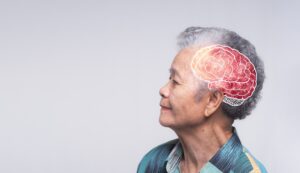
The impact extends beyond physical symptoms, affecting balance, gait patterns, and fine motor skills. Patients often experience freezing episodes, where they temporarily cannot initiate movement, and may develop a shuffling walk pattern. These movement difficulties increase the risk of falls and can lead to social isolation and decreased confidence in mobility.
The Transformative Role of Physiotherapy in Parkinson’s Care
Physiotherapy services play a crucial role in addressing the complex movement disorders associated with Parkinson’s disease. A skilled physiotherapist develops individualized treatment programs that target specific symptoms while promoting overall functional improvement. The comprehensive approach focuses on maintaining and improving multiple aspects of physical function through evidence-based interventions.
Core Components of Parkinson’s Physiotherapy:
- Exercise Therapy Foundation – Research consistently demonstrates that regular, structured physical activity can slow disease progression and improve motor symptoms. Best physiotherapist professionals implement systematic exercise programs tailored to individual patient needs and capabilities.
- Amplitude Training Techniques – Specialized methods help patients perform larger, more deliberate movements to counteract the natural tendency toward smaller, restricted movements characteristic of Parkinson’s disease.
- Gait Training Programs – Patients master specific walking techniques including heel-to-toe walking, high-knee marching, and rhythmic stepping patterns to improve stride length, reduce shuffling, and enhance overall walking confidence.
- Balance Enhancement Exercises – Targeted balance training through progressive exercises significantly reduces fall risk and improves postural stability, crucial for maintaining independence and safety in daily activities.
Specialized Physiotherapy Techniques for Neurological Conditions
Several specialized physiotherapy approaches have proven particularly effective for Parkinson’s disease management. The Lee Silverman Voice Treatment (LSVT) BIG program focuses on amplitude of movement, training patients to perform larger, more normal-sized movements. This approach addresses the tendency for movements to become smaller and slower over time.

Dual-task training helps patients learn to perform movement tasks while simultaneously engaging in cognitive activities, improving their ability to multitask safely. Cueing strategies, including visual, auditory, or tactile prompts, help overcome freezing episodes and improve movement initiation.
Physiotherapy for elderly at home becomes particularly important as many Parkinson’s patients are older adults who may have mobility limitations preventing clinic visits. The convenience of home visit physiotherapy ensures consistent treatment delivery in familiar environments, often leading to better compliance and outcomes.
Benefits of Home-Based Physiotherapy Services
Home physiotherapy offers unique advantages for Parkinson’s patients. The familiar environment reduces anxiety and allows for more personalized treatment approaches. Physiotherapist for home visit services enable assessment and treatment of real-world challenges within the patient’s living space, addressing specific environmental barriers and safety concerns.
At-home physiotherapy services provide flexibility in scheduling, which is particularly important for Parkinson’s patients who may experience symptom fluctuations throughout the day. Treatment can be timed during optimal periods when medications are most effective, maximizing therapeutic benefits.
Family involvement becomes more natural in home settings, allowing caregivers to learn proper techniques for assisting with exercises and transfers. This education component is crucial for maintaining progress between formal therapy sessions and ensuring long-term success.
Comprehensive Care Beyond Movement Disorders
While movement symptoms receive primary attention, physiotherapy for Parkinson’s disease addresses broader health concerns. Back pain treatment often becomes necessary as postural changes and muscle rigidity can lead to secondary musculoskeletal problems. Joint pain physiotherapy helps manage arthritis and other conditions that may coexist with Parkinson’s disease.
Physiotherapy for cervical pain addresses neck stiffness and postural abnormalities common in Parkinson’s patients. The forward head posture frequently seen in this condition can lead to significant neck and shoulder discomfort, requiring specialized intervention.
Respiratory physiotherapy also plays an important role, as Parkinson’s disease can affect breathing muscles and chest wall mobility. Breathing exercises and chest expansion techniques help maintain respiratory function and reduce the risk of respiratory complications.
Expertise Matters in Neurological Rehabilitation
Successfully treating Parkinson’s disease demands specialized knowledge in neurological rehabilitation methodologies. A qualified physiotherapist with advanced training in neurological disorders possesses deep understanding of disease progression patterns and symptom fluctuations unique to Parkinson’s patients. This expertise enables them to modify treatment protocols dynamically as the condition evolves, maintaining therapeutic effectiveness throughout different disease stages.
Patients requiring post-surgery physiotherapy at home following procedures like deep brain stimulation benefit significantly from specialized neurological rehabilitation. Expert therapists understand post-surgical precautions while implementing appropriate movement strategies that complement surgical interventions and promote optimal recovery outcomes.
The collaborative care model integrates seamlessly with neurologists, occupational therapists, speech-language pathologists, and other specialists. This interdisciplinary approach ensures all aspects of Parkinson’s disease receive comprehensive attention, addressing not only motor symptoms but also cognitive, communicative, and psychosocial challenges.
Why Choose Joint Efforts for Neurological Rehabilitation
When confronting neurological conditions like Parkinson’s disease, selecting the right Physiotherapy clinic becomes crucial for successful outcomes. Joint Efforts Physiotherapy stands apart in delivering specialized neurological rehabilitation through their evidence-based treatment approaches and patient-centered care philosophy. Their team of expert therapists possesses extensive experience in managing complex neurological cases, ensuring each patient receives individualized attention tailored to their specific needs and goals.
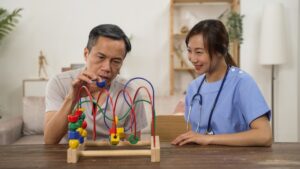
The clinic’s commitment to accessibility through comprehensive home physiotherapy services eliminates transportation barriers common among neurological patients. Their female physiotherapist for home visit options provide additional comfort for patients who prefer same-gender care. The flexibility of physiotherapy home visit services allows treatment scheduling around medication cycles and optimal symptom periods, maximizing therapeutic effectiveness while maintaining patient comfort and dignity.
Joint Efforts’ holistic approach extends beyond traditional physiotherapy, incorporating family education and caregiver training as integral components of the rehabilitation process. This comprehensive support system ensures continuity of care and empowers families to actively participate in the recovery journey, ultimately leading to better long-term outcomes for Parkinson’s patients.
Conclusion
For individuals and families navigating the challenges of Parkinson’s disease in the NCR region, accessing experienced neurological physiotherapy services is essential for optimal outcomes. Joint Efforts Physiotherapy Clinic, with over 15 years of specialized experience in neurological rehabilitation, has established itself as a leading affordable physiotherapy clinic provider based in Noida. Their experienced team understands the unique needs of Parkinson’s patients and provides personalized, evidence-based care that makes a meaningful difference in maintaining independence and quality of life. The convenience of their at-home physiotherapy services ensures that patients throughout the entire NCR region receive consistent, high-quality care in the comfort of their own homes, supporting their journey toward better health and improved function.