

Understanding ACL Injuries
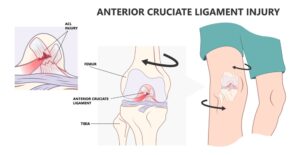
The anterior cruciate ligament (ACL) serves as a crucial stabilizing structure within the knee joint, connecting the femur to the tibia. ACL injuries, ranging from Grade I sprains to Grade III complete tears, are prevalent among athletes and active individuals, typically resulting from sudden directional changes, improper landings, or direct knee trauma. These injuries cause significant pain, swelling, and joint instability, severely impacting mobility and daily functioning.
At a specialized physiotherapy clinic like Joint Efforts Physiotherapy Clinic, expert physiotherapy services play a fundamental role in guiding patients through comprehensive recovery, restoring optimal knee function, and implementing injury prevention strategies. This detailed guide explores ACL injury mechanisms, the critical importance of physiotherapy in rehabilitation, and how evidence-based techniques integrate for complete patient care.
What Causes ACL Injuries?
ACL injuries predominantly occur during high-impact activities involving sports participation, falls, or traumatic accidents. Primary causative factors include:
- Sudden Directional Changes: Rapid pivoting or cutting maneuvers common in soccer, basketball, and tennis activities.
- Improper Landing Mechanics: Awkward jumping and landing patterns frequently addressed through sports injury physiotherapy
- Direct Knee Trauma: Contact injuries from collisions or tackles that overwhelm joint stability mechanisms.
- Muscular Imbalances: Weakness in quadriceps, hamstrings, or hip stabilizers increases vulnerability to injury.

Clinical presentation includes an audible “pop” at injury onset, rapid swelling development, knee instability sensation, and weight-bearing difficulties. A qualified physiotherapist conducts comprehensive assessments to determine injury severity—from minor sprains to complete ruptures—and develops individualized rehabilitation protocols. For patients with mobility constraints, home physiotherapy ensures access to expert care through professional physiotherapy home visit services.
The Importance of Physiotherapy for ACL Recovery
Physiotherapy represents the cornerstone of ACL injury management for both conservative and post-surgical treatment approaches. The primary focus involves restoring knee strength, stability, and range of motion while managing pain and preventing re-injury occurrence. A best physiotherapist creates personalized programs addressing each patient’s specific needs, facilitating safe return to daily activities or competitive sports. Physiotherapy services prove essential for multiple reasons:
- Comprehensive Pain Management: Advanced techniques including manual therapy and therapeutic modalities effectively reduce swelling and discomfort, often complementing back pain treatment or joint pain physiotherapy needs.
- Progressive Strength Restoration: Targeted exercise protocols systematically rebuild quadriceps, hamstrings, and core muscle groups essential for knee stability maintenance.
- Enhanced Mobility Recovery: Structured stretching and mobility interventions improve overall knee function, benefiting knee pain physiotherapy or physiotherapy for cervical pain requirements.
- Re-Injury Prevention: Proper rehabilitation protocols strengthen knee structures while addressing biomechanical deficits, significantly reducing future ACL damage risk.
- Post-Surgical Optimization: Following ACL reconstruction procedures, post-surgery physiotherapy at home accelerates healing processes and functional restoration.
For patients unable to access traditional physiotherapy clinic settings, home visit physiotherapy delivers comprehensive benefits directly to their residence, making it particularly suitable for physiotherapy for elderly at home or home physiotherapy for knee replacement scenarios.
How Physiotherapy Helps Manage ACL Injuries
ACL injury physiotherapy follows a systematic, phased rehabilitation approach tailored to injury severity and individual patient goals. Recovery typically progresses through four distinct phases over 4-6 months for surgical cases or 6-12 weeks for conservative management. A skilled physiotherapist employs evidence-based techniques including:
1. Range of Motion Restoration: Progressive stretching protocols restore knee flexibility while preventing adhesion formation and joint stiffness.
2. Progressive Strengthening Programs: Systematic quadriceps, hamstrings, and calf muscle exercises build essential support structures, complementing knee pain physiotherapy interventions.
3. Balance and Proprioception Enhancement: Specialized exercises including single-leg stands and unstable surface training improve knee stability and neuromuscular coordination.
4. Manual Therapy Techniques: Hands-on interventions effectively reduce pain and enhance joint mobility, supporting concurrent back pain treatment or frozen shoulder physiotherapy needs.
5. Functional Training Protocols: Sport-specific movement patterns and drills prepare athletes for safe activity return, representing a cornerstone of sports injury physiotherapy practice.
Return-to-sport criteria include achieving 90% strength symmetry, passing functional hop tests, and demonstrating proper movement mechanics. For patients preferring home-based interventions, physiotherapist for home visit services ensure these critical interventions remain accessible. Female physiotherapist for home visit options accommodate patient preferences, while home physiotherapy for stroke patients or postnatal physiotherapy at home can integrate ACL rehabilitation with concurrent treatment needs.
Benefits of Physiotherapy for ACL Injuries
Physiotherapy provides substantial advantages for ACL injury patients, ensuring effective recovery outcomes and long-term knee health maintenance. Research demonstrates 85-90% success rates for returning patients to pre-injury activity levels. Key benefits include:
- Conservative Treatment Options: For Grade I-II injuries, physiotherapy offers effective non-surgical management delivered by experienced best physiotherapist professionals.
- Individualized Rehabilitation Programs: At an affordable physiotherapy clinic, treatment protocols are customized to specific patient needs, ensuring optimal recovery outcomes.
- Accelerated Recovery Timelines: Evidence-based exercises and therapeutic interventions expedite healing processes, particularly beneficial for post-surgery physiotherapy at home scenarios.
- Comprehensive Patient Adaptability: From competitive athletes requiring sports injury physiotherapy to seniors needing physiotherapy for elderly at home, treatment approaches adapt to diverse populations.
- Integrated Care Approaches: Simultaneous management of related conditions including sciatica treatment physiotherapy or joint pain physiotherapy enhances overall rehabilitation effectiveness.
Home physiotherapy services ensure treatment accessibility, with qualified physiotherapist for home visit professionals delivering expert care directly to patients’ residences, eliminating transportation barriers.
Who Can Benefit from Physiotherapy for ACL Injuries?
ACL injury physiotherapy serves diverse patient populations across age groups and activity levels, including:
- Competitive Athletes: Sports injury physiotherapy specialists help athletes achieve safe sport return following ACL tears, with 80-85% successfully returning to pre-injury competition levels.
- Post-Surgical Patients: Post-surgery physiotherapy at home supports individuals recovering from ACL reconstruction procedures, typically requiring 4-6 months of progressive rehabilitation.
- Active Seniors: Physiotherapy for seniors at home addresses ACL-related knee instability while managing age-related mobility concerns and preventing falls.
- Recreational Athletes: Individuals maintaining active lifestyles benefit from knee pain physiotherapy interventions to restore functional capacity and prevent complications.
- Patients with Multiple Conditions: Those requiring concurrent physiotherapy for cervical pain or frozen shoulder physiotherapy can integrate ACL rehabilitation within comprehensive treatment plans.
At-home physiotherapy services ensure optimal accessibility, with female physiotherapist for home visit options providing personalized, comfortable care environments. Home physiotherapy for stroke patients or home physiotherapy for knee replacement can effectively incorporate ACL recovery strategies within existing rehabilitation programs.
ACL Injury Prevention Strategies
Prevention programs focusing on proper landing mechanics, strengthening exercises, and neuromuscular training can reduce ACL injury risk by 40-70%. Key prevention components include plyometric training, balance exercises, and movement pattern correction, often integrated within sports injury physiotherapy programs.
Why Choose Physiotherapy for ACL Recovery?
Physiotherapy represents an evidence-based approach that significantly improves outcomes for ACL injury patients while reducing healthcare costs compared to surgical interventions alone. It effectively reduces pain levels, restores functional capacity, and prevents re-injury occurrence, empowering patients to regain confidence in knee stability and movement patterns. Whether delivered within a traditional physiotherapy clinic environment or through comprehensive at-home physiotherapy services, physiotherapy provides individualized, effective care for ACL injuries and related conditions including back pain treatment or sports injury physiotherapy needs.
Joint Efforts Physiotherapy Clinic: Your Partner in ACL Recovery
Joint Efforts Physiotherapy Clinic demonstrates unwavering commitment to delivering exceptional, patient-centered care for ACL injuries and comprehensive musculoskeletal conditions. With a dedicated team of certified physiotherapists, the clinic provides specialized treatment protocols alongside comprehensive physiotherapy services for knee pain physiotherapy, sports injury physiotherapy, and postnatal physiotherapy at home requirements. Their commitment to accessibility excellence shines through professional home visit physiotherapy services, effectively catering to physiotherapy for elderly at home and post-surgery physiotherapy at home needs. By integrating advanced evidence-based techniques with personalized care approaches, Joint Efforts empowers patients to achieve lasting recovery outcomes and maintain active, pain-free lifestyles. Visit and consult us at our in-clinic center in Noida or call us for at-home services throughout the entire Delhi-NCR region.