


Understanding Spinal Cord Injury
Spinal Cord Injury represents one of the most life-altering medical conditions, affecting thousands of individuals worldwide each year. The spinal cord works like the body’s main messaging system, carrying important instructions back and forth between your brain and all other parts of your body. When this vital structure sustains damage, the consequences can be profound and far-reaching.
Spinal Cord Injury occurs when trauma damages the spinal column or the delicate nerve tissues within it. This damage can result from various causes, including vehicle accidents, falls, sports injuries, or medical conditions. How serious the condition becomes depends on where the injury occurs and how much damage happens – some people experience brief muscle weakness while others may face lifelong mobility challenges.
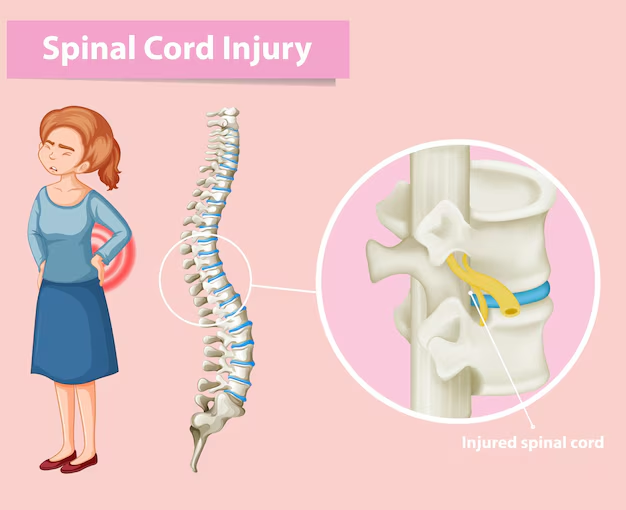
The impact extends beyond physical limitations. Individuals facing Spinal Cord Injury often experience emotional, psychological, and social challenges that require comprehensive care and support from qualified healthcare professionals, particularly a skilled physiotherapist.
Types and Classification
Spinal Cord Injury classification helps determine treatment approaches and recovery potential:
Complete injuries cause individuals to lose all feeling and ability to move in areas below where the damage occurred
Incomplete injuries allow some nerve signals to pass through the damaged area
Cervical injuries affect the neck region and may impact all four limbs
Thoracic injuries generally impact the middle back area, affecting chest muscles and everything below
Lumbar injuries primarily impact the lower back and legs
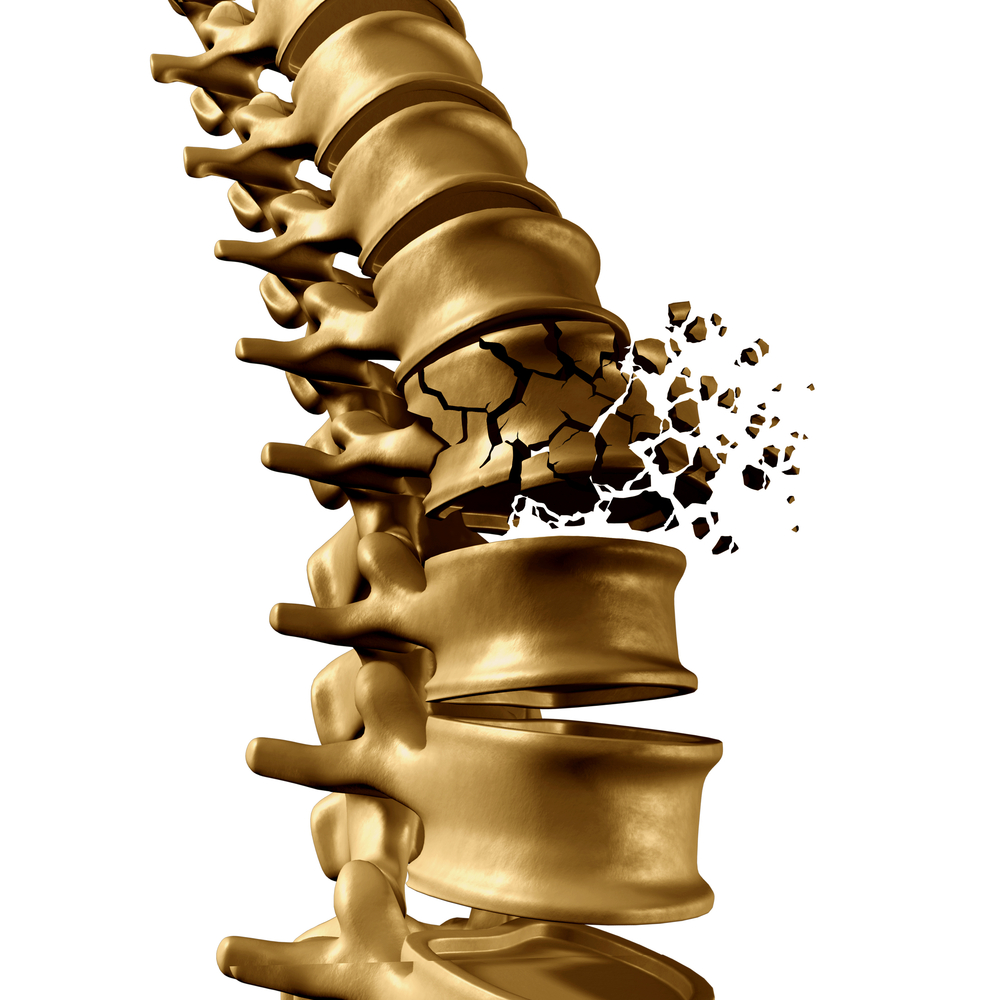
Understanding these classifications helps a spinal cord specialist develop appropriate treatment strategies. Each type requires specific rehabilitation approaches, making specialized physiotherapy services essential for optimal recovery outcomes.
Signs and Symptoms Recognition
Early recognition of Spinal Cord Injury symptoms is crucial for prompt medical intervention:
Loss of movement or sensation in the extremities
Severe back or neck pain
Difficulty breathing or maintaining balance
Unusual positioning of the head or neck
Numbness or tingling in hands, fingers, feet, or toes
Additional symptoms may include muscle weakness, loss of bladder or bowel control, and changes in reflexes. These signs require immediate medical attention from qualified healthcare providers and subsequent evaluation by a physiotherapist specializing in neurological rehabilitation.
Diagnosis and Assessment
Diagnosing Spinal Cord Injury involves a comprehensive medical evaluation:
Neurological examinations to assess sensation and movement
Imaging studies including X-rays, CT scans, and MRI
Functional assessments to determine daily living capabilities
Psychological evaluations to address emotional well-being
A spinal cord specialist works closely with rehabilitation teams to develop personalized treatment plans that address each individual’s unique needs and recovery potential.
Treatment Approaches
Spinal Cord Injury treatment focuses on preventing further damage and maximizing recovery potential. Initial medical interventions may include surgical stabilization, medication management, and intensive care monitoring.
Long-term treatment strategies encompass:
Rehabilitation therapy to restore function and independence
Assistive technology training for daily activities
Pain management protocols for comfort and mobility
Psychological support for emotional adjustment
Why Physiotherapy is the Most Effective Solution
Physiotherapy stands as the most beneficial treatment approach for Spinal Cord Injury recovery because it directly addresses the core challenges patients face. Unlike other treatments that focus on managing symptoms, physiotherapy actively works to restore function, prevent complications, and improve quality of life.
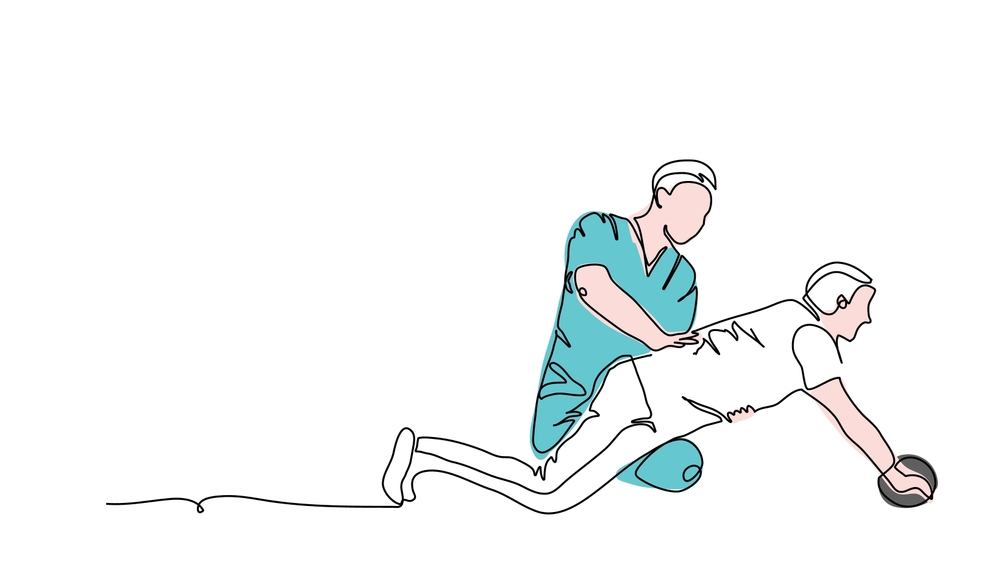
The best physiotherapist understands that Spinal Cord Injury recovery requires specialized knowledge of neuroplasticity, motor learning, and adaptive techniques. This expertise enables them to design programs that maximize each individual’s recovery potential while addressing specific limitations and goals.
What Kind of Physiotherapist is Needed?
Spinal Cord Injury rehabilitation requires specialized expertise. The ideal healthcare provider should possess:
Neurological rehabilitation certification with specific spinal cord training
Experience with adaptive equipment and mobility aids
Knowledge of secondary complication prevention, such as pressure sores and contractures
Skills in respiratory physiotherapy for breathing complications
Expertise in gait training and wheelchair mobility
Comprehensive Physiotherapy Services
Modern physiotherapy services for Spinal Cord Injury encompass various specialized treatments. A comprehensive physiotherapy clinic offers multiple approaches, including strength training, balance exercises, mobility training, and functional skill development.
Home physiotherapy services have become increasingly valuable for Spinal Cord Injury patients. At-home physiotherapy services provide a familiar environment of comfort while ensuring consistent treatment delivery. Many patients benefit from physiotherapy home visit options that eliminate transportation barriers and allow family involvement in the recovery process.
Home visit physiotherapy enables therapists to assess home environments, recommend modifications, and practice real-world skills in actual living spaces. This approach proves particularly beneficial for physiotherapy for the elderly at home when age-related factors complicate recovery.
Specialized Treatment Options
Spinal Cord Injury patients often require additional therapeutic interventions beyond basic rehabilitation. Back pain treatment becomes necessary when compensatory movement patterns develop. Joint pain physiotherapy addresses secondary issues affecting shoulders, wrists, and other joints from increased use patterns.
Some individuals may need sports injury physiotherapy techniques adapted for their specific recovery goals. Others benefit from sciatica treatment physiotherapy when nerve pain complicates their condition. Frozen shoulder physiotherapy may be required to address shoulder complications common in wheelchair users.
Physiotherapy for cervical pain specifically targets neck-related issues, while knee pain physiotherapy addresses lower extremity concerns. For patients who have undergone surgical interventions, post-surgery physiotherapy at home ensures optimal healing and recovery.
Accessibility and Affordability
Finding quality care should not create a financial burden. An affordable physiotherapy clinic makes specialized treatment accessible to more individuals needing Spinal Cord Injury rehabilitation. The best physiotherapy for back pain and related complications should be available regardless of economic circumstances.
Many clinics now offer physiotherapists for home visit services, including female physiotherapists for home visit options for patients who prefer gender-specific care. Physiotherapy for seniors at home addresses the unique needs of older adults facing Spinal Cord Injury challenges.
Why choose Joint Efforts?
Spinal Cord Injury presents significant challenges, but with proper rehabilitation and comprehensive care, individuals can achieve remarkable recovery and independence. The journey requires dedication, professional expertise, and access to specialized physiotherapy services that understand the complexities of neurological rehabilitation.
At Joint Efforts Physiotherapy Clinic, our experienced team has dedicated over 15 years to helping individuals overcome the challenges of Spinal Cord Injury. We understand that recovery is deeply personal, which is why we offer both comprehensive in-clinic treatments and flexible at-home physiotherapy services. Our commitment goes beyond therapy sessions to provide education, support, and specialized care for every individual’s unique recovery needs.