


Vertigo is a disorienting sensation where you feel like you or your surroundings are spinning, often causing dizziness, nausea, or balance issues. It can disrupt daily activities like walking or driving. With expert physiotherapy services at Joint Efforts Physiotherapy Clinic, it can be managed effectively, helping you restore balance and live confidently through physiotherapy. Tailored treatments offer instant relief, empowering you to reclaim stability.

What Causes Vertigo and Its Symptoms
It often arises from inner ear issues, such as benign paroxysmal positional vertigo (BPPV), vestibular neuritis, or Meniere’s disease. Other causes include head injuries or migraines. Symptoms include spinning sensations, unsteadiness, nausea, and difficulty focusing. If untreated, this condition can lead to falls or anxiety. The best physiotherapist at Joint Efforts Physiotherapy Clinic assesses your Vertigo, designing a plan with exercises to alleviate symptoms and improve balance.
Science Behind Vertigo
Vertigo stems from disruptions in the vestibular system, which controls balance and spatial orientation. In BPPV, tiny calcium crystals (otoconia) dislodge in the inner ear, sending false signals to the brain about head position, causing dizziness. Vestibular neuritis involves inflammation of the vestibular nerve, impairing balance. Physiotherapy addresses these issues by repositioning crystals or retraining the brain to process balance signals accurately, providing relief through targeted interventions.
How Physiotherapy Helps
Physiotherapy for Vertigo is key to managing symptoms. A physiotherapist uses techniques like canalith repositioning maneuvers (e.g., Epley maneuver) and vestibular rehabilitation. Exercises include:

- Brandt-Daroff exercises: Repeated head movements to reduce dizziness.
- Gaze stabilization: Eye exercises to improve focus during head motion.
- Balance training: Standing on foam to enhance stability.
- Habituation exercises: Controlled movements to desensitize vertigo triggers.
For related issues like physiotherapy for cervical pain or best physiotherapy for back pain, a physiotherapy clinic integrates holistic care to support your recovery journey.
Benefits of Home Physiotherapy
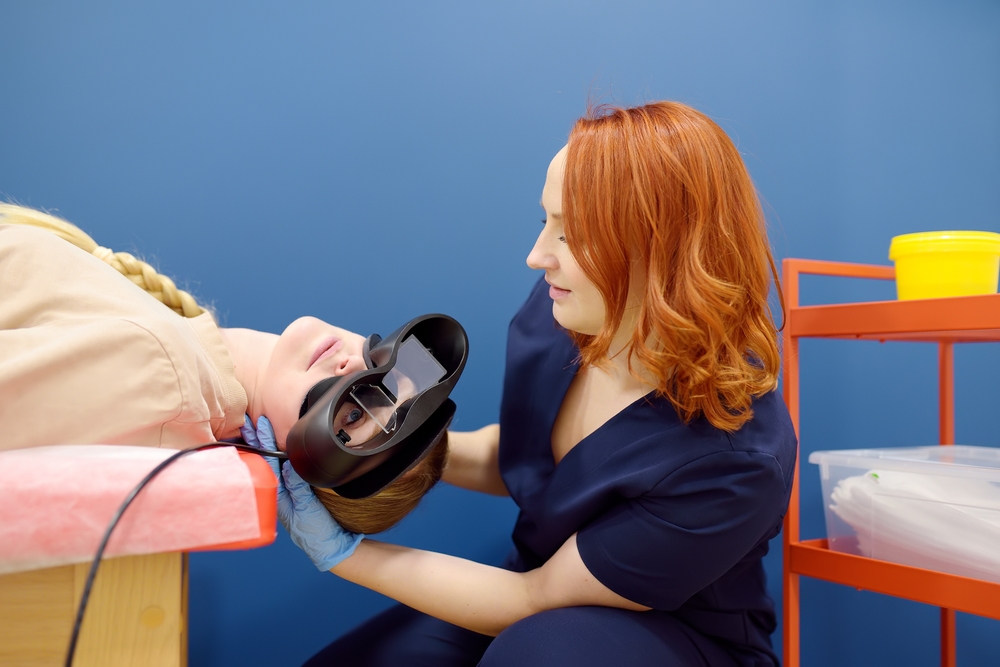
Home physiotherapy is ideal for those with severe Vertigo or mobility challenges. At-home visits with exercises like seated head tilts or balance drills, to ease dizziness. At-home physiotherapy services also support post-surgery physiotherapy at home or home physiotherapy for stroke patients, blending seamlessly with Vertigo care. Female physiotherapist for home visit options ensure comfort, especially for physiotherapy for mothers or postnatal physiotherapy at home, making recovery accessible.
Specialized Care for Diverse Needs
Treatment aligns with various physiotherapy needs:
- Sports injury physiotherapy: Manages dizziness from head injuries.
- Knee pain physiotherapy: Addresses balance-related joint strain.
- Physiotherapy for the elderly at home: Supports seniors at risk of falls.
- Home physiotherapy for knee replacement: Integrates balance training.
Sciatica treatment, back-pain physiotherapy, or maternity physiotherapy ensures comprehensive support at a physiotherapy clinic.
Preventing Vertigo Recurrence
Preventing Vertigo recurrence involves strengthening the vestibular system. A physiotherapist for home visits guides you on exercises like tai chi or head-positioning drills to enhance balance. Regular physiotherapy services at an affordable physiotherapy clinic maintain stability. Tips include:
- Head positioning: Avoid sudden neck movements.
- Hydration: Stay hydrated to support inner ear health.
- Stress management: Relaxation techniques to reduce triggers.
These habits, guided by the best physiotherapist, prevent issues like frozen shoulder physiotherapy, supporting long-term wellness.
When to Seek Physiotherapy for Vertigo
If you experience persistent dizziness, unsteadiness, or nausea, seek physiotherapy for Vertigo. Early physiotherapy home visits or in-clinic sessions prevent Vertigo from disrupting life. A physiotherapy clinic addresses related concerns like back pain treatment or physiotherapy for seniors at home, ensuring a well-rounded recovery plan.
Why Choose Joint Efforts
Joint Efforts Physiotherapy Clinic, with over 15 years of expertise, is a leading physiotherapy clinic in Noida, offering physiotherapy for Vertigo through in-clinic services at their Noida Clinic and at-home physiotherapy services across the Delhi-NCR region. Their skilled physiotherapists provide personalized plans, alongside sports injury physiotherapy, post-surgery physiotherapy at home, and physiotherapy for the elderly at home. With home visit physiotherapy, including female physiotherapists for home visit options, they cater to diverse needs, from postnatal physiotherapy at home to knee pain physiotherapy. Joint Efforts delivers affordable, high-quality physiotherapy services, helping you overcome your body pains and live confidently.
FAQs
1. What is vertigo, and how does it affect daily life?
Vertigo is a disorienting sensation where you feel like you or your surroundings are spinning. It often causes dizziness, nausea, and balance issues, which can disrupt everyday activities like walking or driving. With expert physiotherapy at Joint Efforts Physiotherapy Clinic, vertigo can be managed effectively to help you regain stability and confidence.
2. What causes vertigo?
Vertigo often arises from inner ear issues, such as benign paroxysmal positional vertigo (BPPV), vestibular neuritis, or Meniere’s disease. It can also be triggered by head injuries or migraines. Common symptoms include spinning sensations, unsteadiness, nausea, and difficulty focusing — and if untreated, it can lead to falls or anxiety.
3. What’s the science behind vertigo?
Vertigo stems from disruptions in the vestibular system, which controls balance and spatial orientation. In BPPV, tiny calcium crystals (otoconia) become dislodged in the inner ear, sending false signals to the brain about head position. Vestibular neuritis, on the other hand, involves inflammation of the vestibular nerve that impairs balance.
4. How does physiotherapy help treat vertigo?
Physiotherapy is key to managing vertigo symptoms. At Joint Efforts, physiotherapists use targeted techniques like canalith repositioning maneuvers (such as the Epley maneuver) and vestibular rehabilitation to reposition inner-ear crystals and retrain the brain to process balance signals correctly.
5. What specific exercises are used to treat vertigo?
Treatment typically includes Brandt-Daroff exercises (repeated head movements to reduce dizziness), gaze stabilization exercises (to improve focus during head motion), balance training (like standing on foam to improve stability), and habituation exercises (controlled movements to reduce sensitivity to vertigo triggers).
6. What is the Canalith Repositioning Procedure (CRP)?
CRP is a step-by-step maneuver where the physiotherapist guides the patient’s head and body through specific positions to move dislodged inner-ear crystals back to where they belong, helping to relieve dizziness. It’s one of the key techniques used at Joint Efforts to treat BPPV-related vertigo.
7. Does Joint Efforts offer home physiotherapy for vertigo?
Yes, Joint Efforts provides physiotherapy services for vertigo both in-clinic and at home, making it easier for patients — especially those who feel unsteady or anxious about traveling — to receive expert care and start their recovery journey comfortably and safely.